

Landscape Edging Types: Which One is Right for Your Garden?
Landscape edging types include plastic, rubber, metal, natural stone, brick, and extruded concrete curbing. Each offers something different in terms of cost, durability, and maintenance. The right choice depends on your soil conditions and how long you want the edging to last. Everedge Curbing installs decorative concrete curbing for Charlotte, NC homeowners. See how each option measures up in this blog post.
Most people shopping for landscape edging ask: "Which one looks best?" That's the wrong place to start. Charlotte's Piedmont red clay shifts with every heavy rain, and the Carolina heat destroys plastic and rubber faster than most homeowners expect. After installing decorative concrete curbing from Huntersville to Gastonia, we've learned that lasting edging is rarely the cheapest option. Here's an honest breakdown matched to the situation each type actually handles.
Plastic and Rubber Edging: Low Cost, Short Timeline
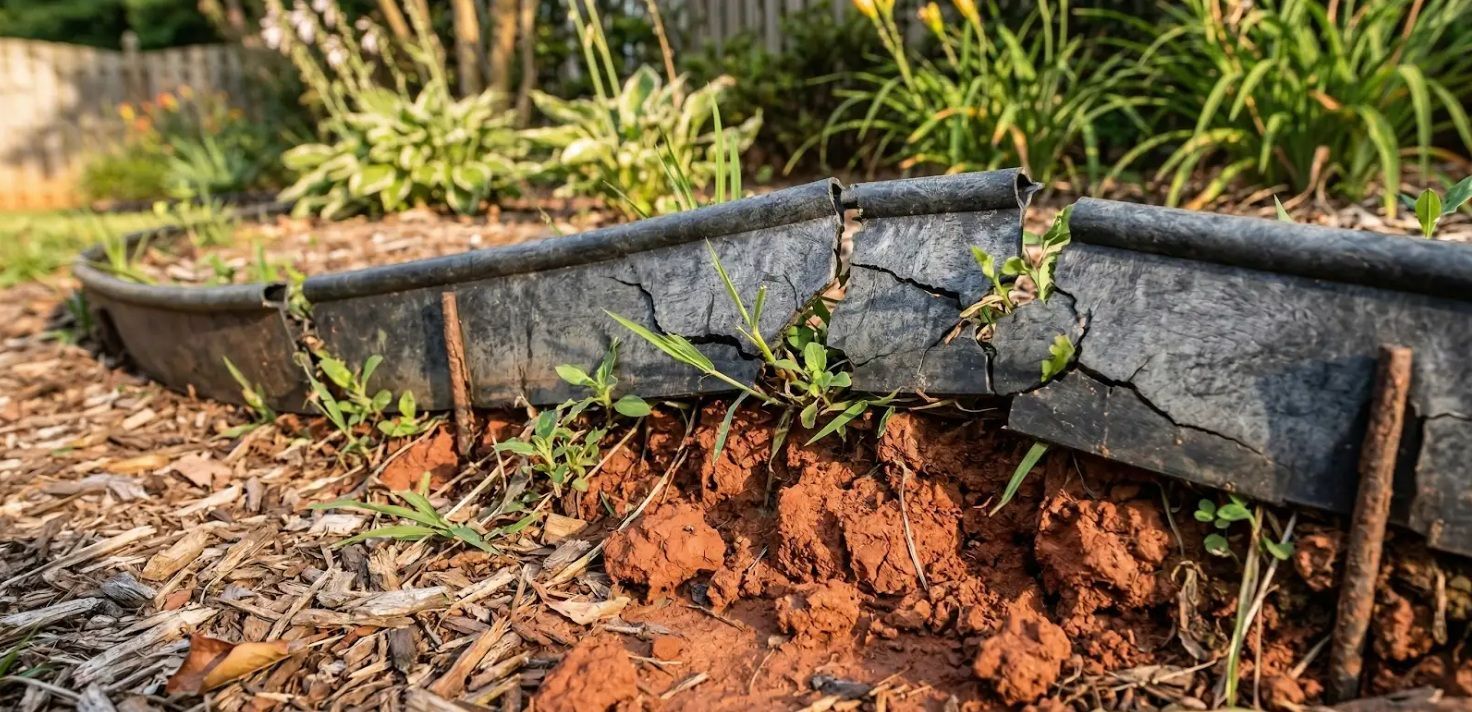
Plastic and rubber edging is affordable at $0.50 to $1.50 per linear foot installed, but longevity is the real issue. Charlotte's summer heat accelerates UV degradation, causing products to become brittle, often within just a few seasons. In Piedmont red clay, soil expansion from heavy rain pushes edging laterally, and plastic sections rarely hold their line year over year. This option suits temporary layouts or anyone planning a full redesign soon.
Metal Edging: Clean Lines for the Right Applicatione
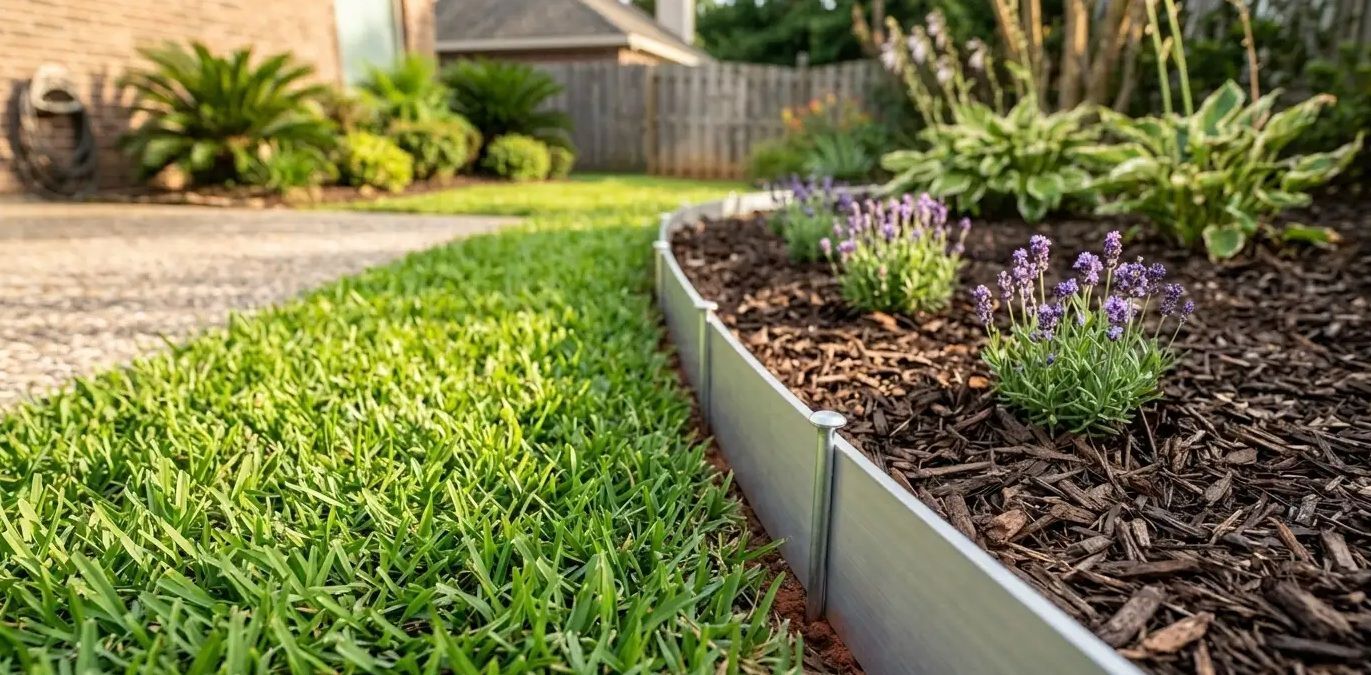
Steel and aluminum edging looks cleaner than plastic and holds its shape better over time. Aluminum resists rust but flexes under Charlotte's clay soil pressure, opening gaps along borders. Steel holds firmer but needs a protective coating in humid conditions. Metal works best for straight-line borders on level ground, but it doesn’t handle curves and slopes reliably. At $2 to $5 per linear foot, it suits flat, simple beds well, with a typical lifespan often cited at 10 to 15 years.
Natural Stone and Brick Edging: High Style, Variable Performance
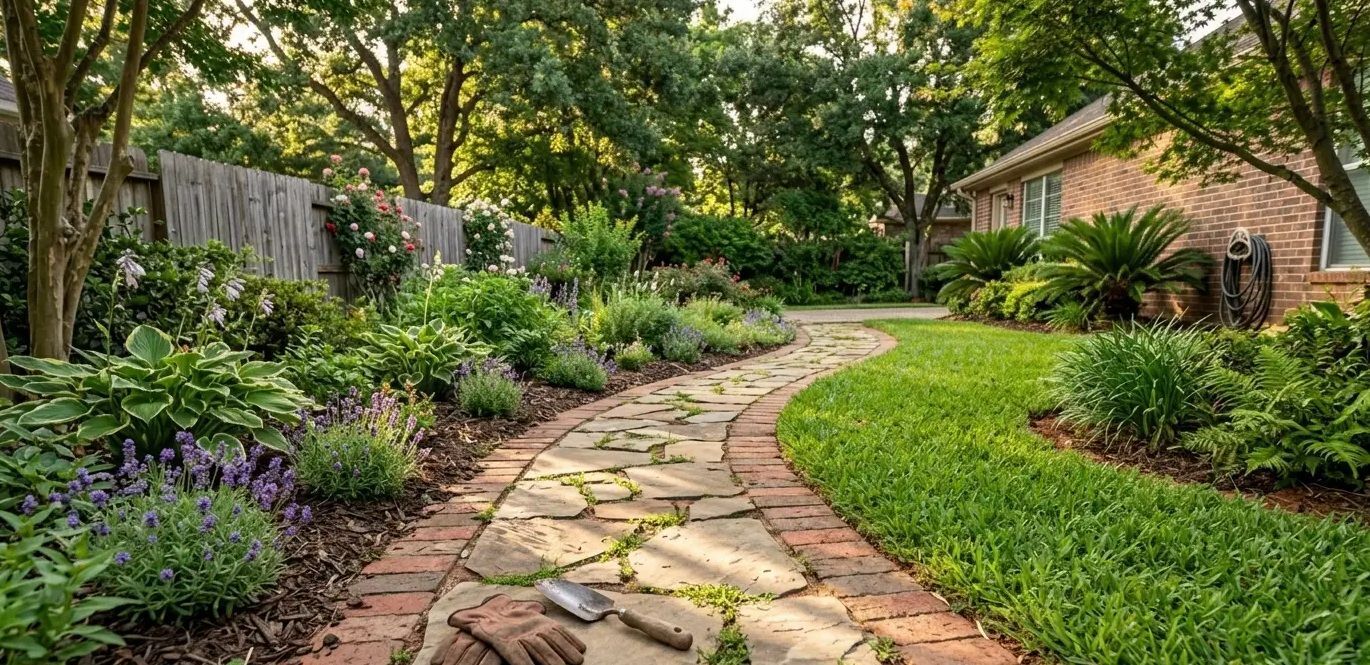
Stacked stone, flagstone, and brick borders are among the most visually striking edging options available, but they’re also the hardest to maintain. Because these pieces aren't anchored as a continuous unit, Bermuda grass finds its way through gaps within a single growing season. Removing it without disturbing the layout takes real time. This type suits homeowners committed to seasonal maintenance who prefer a garden aesthetic that blends into the landscape.
Decorative Concrete Curbing: The Case for Permanence
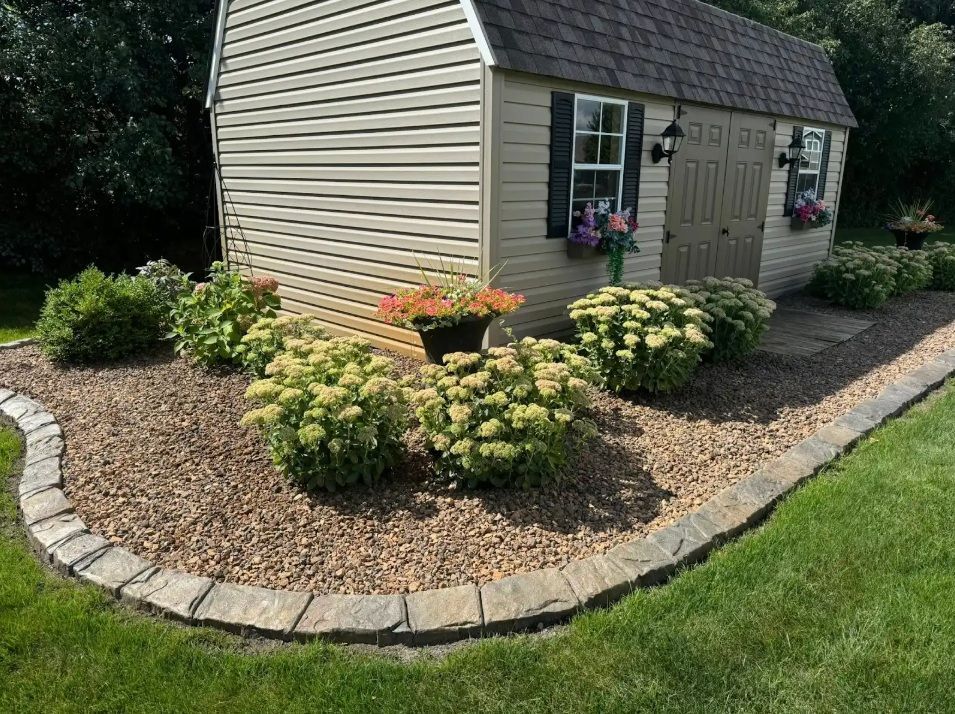
Extruded concrete curbing is installed as one continuous, seamless unit with no gaps between sections for Bermuda grass runners to exploit. A fiber-reinforced concrete mix adds the tensile strength needed in Charlotte's clay soil, where seasonal moisture swings can crack concrete that hasn’t been reinforced.
Everedge Curbing's decorative concrete curbing is available in 83 color options with two-tone dimensional finishes. Installation takes one day. Resealing every two to three years is the primary ongoing requirement.
Matching Edging Type to Your Actual Situation
Budget matters, but match the material to how you actually use your yard:
- Short-term or rental property: Plastic or rubber keeps costs low.
- Modern aesthetic, flat ground: Metal delivers clean lines with solid longevity.
- Cottage garden with high maintenance tolerance: Natural stone or brick.
- Established beds, HOA properties, or Bermuda grass yards: Extruded concrete curbing.
Our full breakdown of landscape edging materials covers each option in even more detail.
Frequently Asked Questions
How long does concrete landscape curbing last compared to plastic edging?
Extruded concrete curbing is commonly rated for 20 or more years with periodic resealing every two to three years. Plastic edging in Charlotte's heat commonly shows brittleness and shifting within two to four seasons. Fiber reinforcement in the concrete mix adds tensile strength that plastic simply can't match, especially in areas with expansive clay soil and temperature swings.
Does landscape edging actually stop Bermuda grass from spreading into flower beds?
Seamless edging like extruded concrete curbing significantly reduces Bermuda grass invasion by eliminating the gaps that grass runners exploit. Segmented products—stone, brick, and some metal edging—leave enough space for surface runners to pass through. No edging stops the spread of underground rhizome entirely, but a seamless border removes the most accessible entry points.
What Charlotte-area yards benefit most from decorative concrete curbing?
Homeowners with established landscape beds, Bermuda grass lawns, HOA requirements, or sloped yards with drainage concerns get the most value from decorative concrete curbing. Everedge Curbing serves Charlotte, Concord, Huntersville, Mooresville, Gastonia, and Kannapolis, where Piedmont red clay and heavy seasonal rain make permanent edging a practical long-term investment.
Make the Right Call Before the Next Rain Washes Your Edging Out of Place
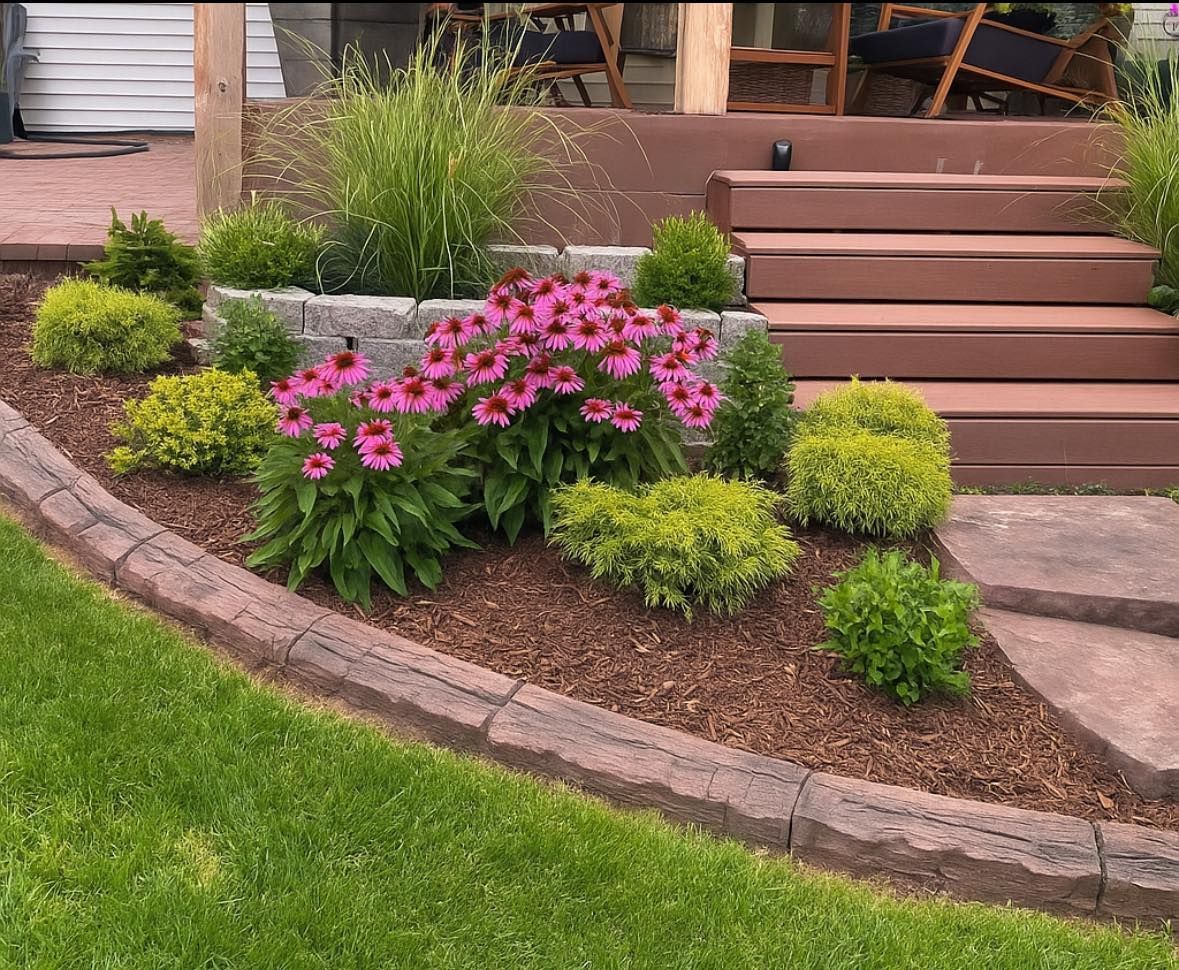
Every type on this list suits the right situation. Making the wrong choice for your needs is what produces frustration and repeat replacement costs. For Charlotte homeowners with established landscape beds, extruded concrete curbing earns its higher price by dramatically reducing the Bermuda grass problem long term.
Request a free estimate from Everedge Curbing. You'll get a written proposal during consultation and a clear answer on what makes sense for your yard.