

Is Concrete Curbing Worth the Investment?
Concrete curbing is worth the investment for most Charlotte homeowners because it eliminates the recurring cost of replacing less durable edging. It also reduces the time spent on weekly lawn maintenance and adds lasting curb appeal that temporary materials can't match. At $18 to $25 per linear foot, Everedge Curbing's decorative concrete borders typically pay for themselves within five to seven years compared to the cumulative cost of replacing plastic or metal edging.
A homeowner in Huntersville called last spring after replacing their plastic garden bed edging for the third time in six years. Bermuda grass had pushed through every seam, the Carolina heat had cracked the top rail, and the edging was lifting out of the clay soil after every heavy rain. They wanted something they'd never have to touch again.
The True Cost of Temporary Edging
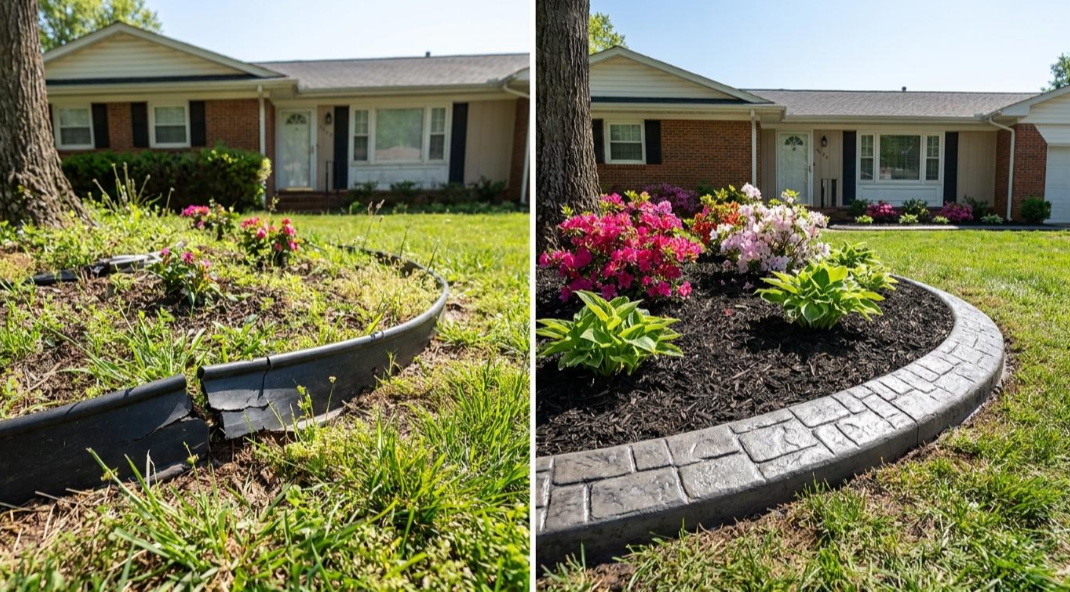
Plastic landscape edging costs $1 to $3 per linear foot at the hardware store, making it seem like a bargain. But Charlotte's combination of Piedmont red clay, aggressive Bermuda grass, intense summer heat, and heavy rain creates conditions that typically destroy plastic edging within two to three seasons.
Metal edging holds up longer but rusts in Charlotte's humid summers and bends when hit by mower wheels. At $3 to $8 per foot with a typical lifespan of five to seven years, the replacement math starts to favor a permanent solution. Compare the full range of landscape edging materials side by side, and the cost gap narrows faster than most homeowners expect.
Time You Get Back Every Week
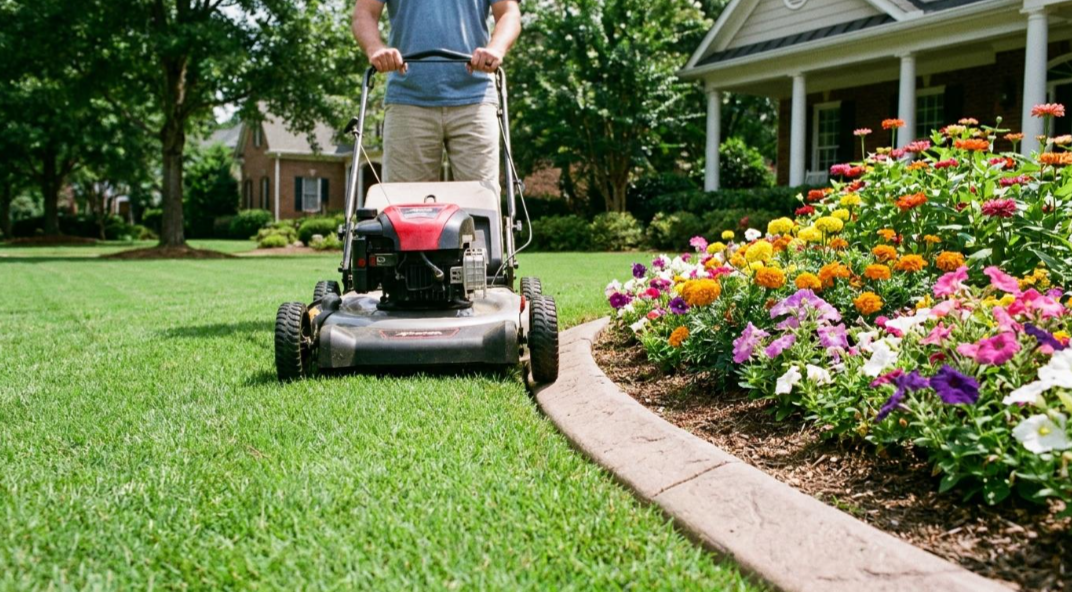
The value of a concrete curbing installation isn't just about material costs. It changes how you maintain your yard every single week.
- Mower-friendly edge: Your mower wheel rolls along the flat curbing surface, creating a clean cut line without a string trimmer.
- Root barrier: Continuous concrete stops Bermuda grass rhizomes from invading garden beds, eliminating hours of hand-pulling each month.
- Mulch containment: Curbing holds mulch and soil in place during Charlotte's frequent summer thunderstorms, so you're not re-spreading material after every heavy rain.
- No annual reinstallation: Plastic edging needs re-staking and repositioning each spring. Concrete stays exactly where it was installed.
Charlotte homeowners who switch from plastic to concrete consistently report cutting their weekly bed maintenance time in half. That's time you're either spending or paying a landscaper to spend.
Curb Appeal and Property Value
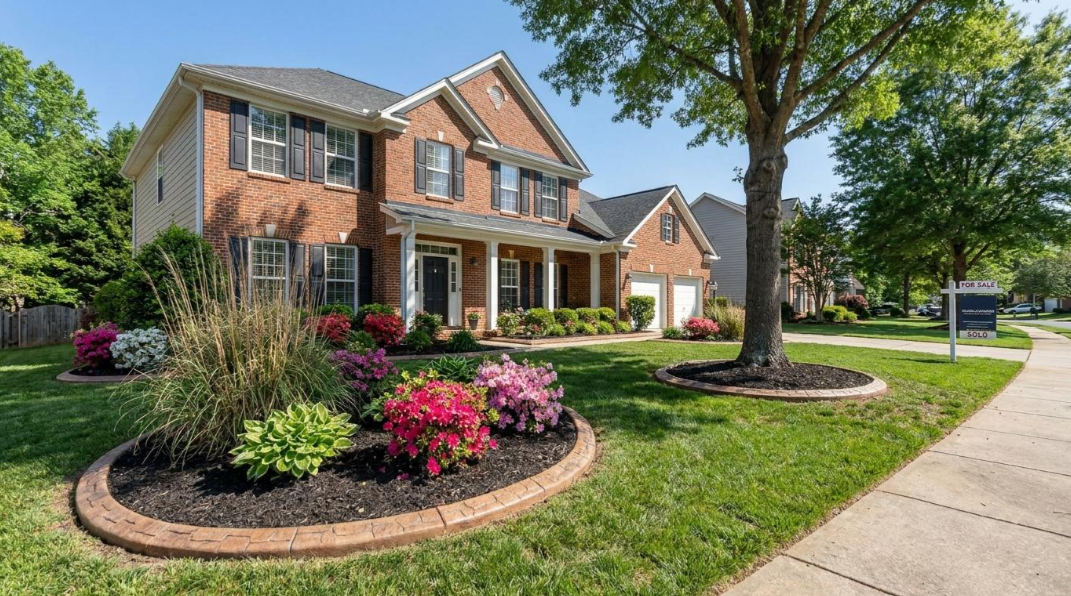
Clean, permanent landscape borders are one of the first things buyers notice during a showing. Concrete curbing creates defined lines between lawn and beds that photograph well in listings and hold their appearance year-round without homeowner intervention. In HOA-heavy Charlotte neighborhoods, that consistent, manicured look matters. Browse Everedge Curbing's project gallery to see the difference curbing makes on local properties.
Landscape improvements that reduce ongoing maintenance and increase visual appeal tend to return 100% or more of their cost at resale, according to the National Association of Realtors. Concrete curbing fits that profile because it's both functional and aesthetic.
Frequently Asked Questions
How long before concrete curbing pays for itself compared to plastic?
For most Charlotte properties, concrete curbing breaks even with the replacement costs of plastic edging within five to seven years. After that, every year the curbing lasts is a year you're not spending on new edging materials, stakes, and installation labor. Everedge Curbing's concrete borders are built to last decades, making the long-term math strongly favor a one-time investment.
Does concrete curbing increase home resale value?
Permanent landscape improvements that reduce maintenance and boost curb appeal consistently return their cost at resale. Concrete curbing checks both boxes. Buyers in Charlotte's competitive market notice defined, clean borders.
Is concrete curbing worth it for a small yard?
Smaller yards often benefit the most because the total project cost is lower while the visual impact is proportionally higher. A 75-linear-foot project at $18 per foot totals $1,350, which is less than many homeowners spend on three rounds of plastic edging replacement over a decade. The maintenance time savings apply regardless of yard size.
Make the Switch to Permanent Edging
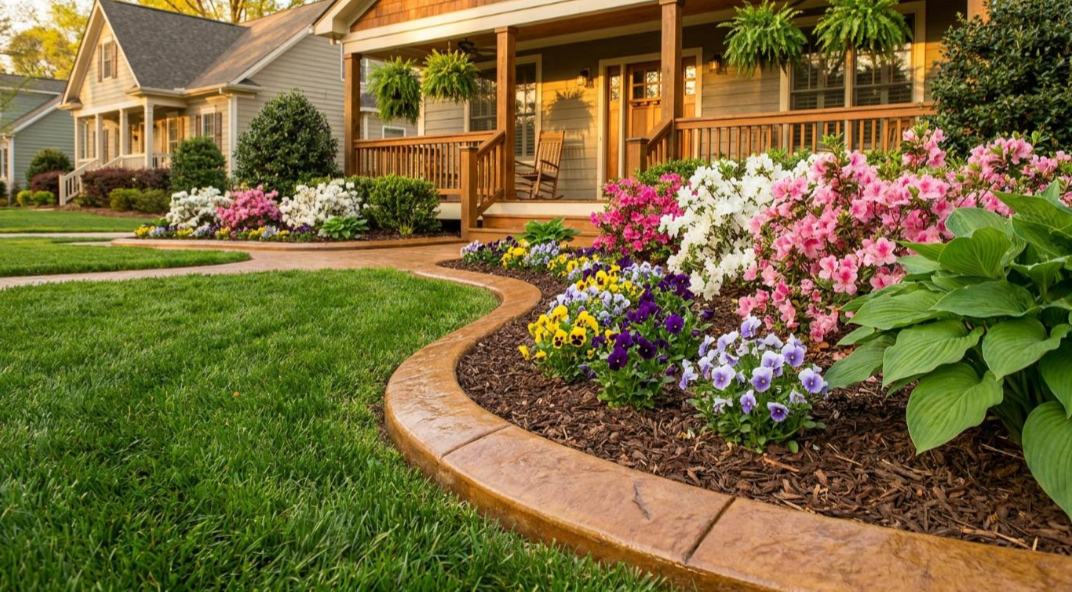
The decision comes down to whether you want to keep replacing temporary materials every few years or invest once in a border that lasts decades. Concrete curbing costs more upfront than plastic or metal curbing, but it eliminates replacement cycles, reduces weekly maintenance time, prevents Bermuda grass from invading your beds, and adds curb appeal to your Charlotte home.
Contact Everedge Curbing for a free estimate and find out exactly what permanent borders cost for your property.