
How To Maintain and Seal Concrete Curbing
Sealing concrete curbing means cleaning the surface, waiting for dry conditions, and applying a quality sealer every two to three years. That routine protects borders against UV fading, moisture intrusion, and color loss. Everedge Curbing seals every concrete curbing installation and returns on schedule for resealing, protecting color depth and surface integrity year after year.
That schedule matters most in late spring, when Charlotte's rains give way to months of UV exposure and humidity above 70%. Resealing before summer arrives gives the coating its full working life before the hardest weather hits.
Why Charlotte's Climate Wears Down Unsealed Curbing
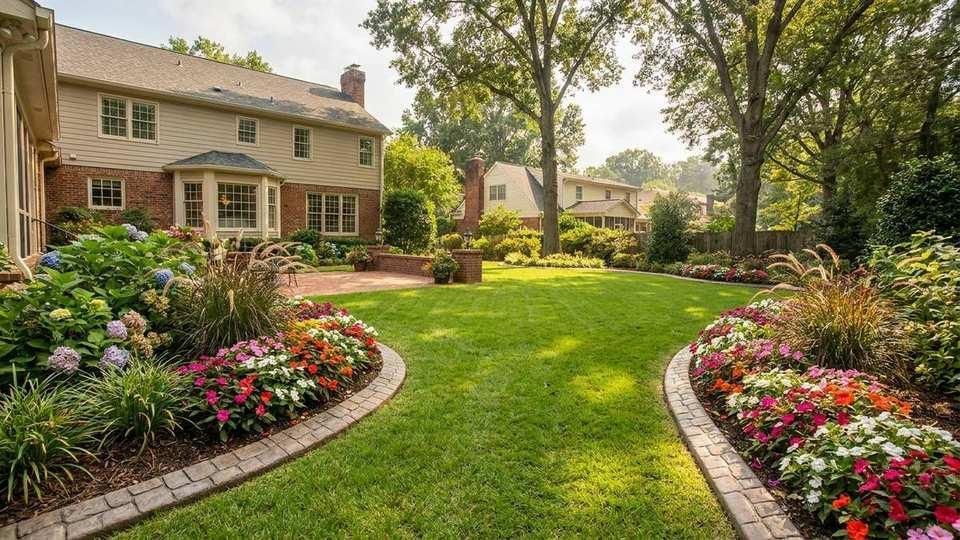
Charlotte receives roughly 43 inches of rain per year, and summer thunderstorms can drop over an inch in a single afternoon. That volume of water, paired with Piedmont humidity that stays above 70% from June through September, keeps unprotected concrete damp for extended periods. Moisture that penetrates an unsealed surface carries dissolved minerals into the concrete, weakening the material over time.
UV exposure compounds the problem. Charlotte's summer sun breaks down the pigments in integral-colored curbing, and unprotected surfaces can look noticeably faded within two to three seasons. A quality sealer blocks both moisture penetration and UV degradation, keeping curbing color-rich for years between applications.
Bermuda grass, Charlotte's most aggressive lawn invader, pushes harder against curbing when moisture softens the surrounding Piedmont clay. Sealed concrete stays denser at the ground line, making it more resistant to soil-pressure staining and weed intrusion at the base.
When to Reseal and What to Use
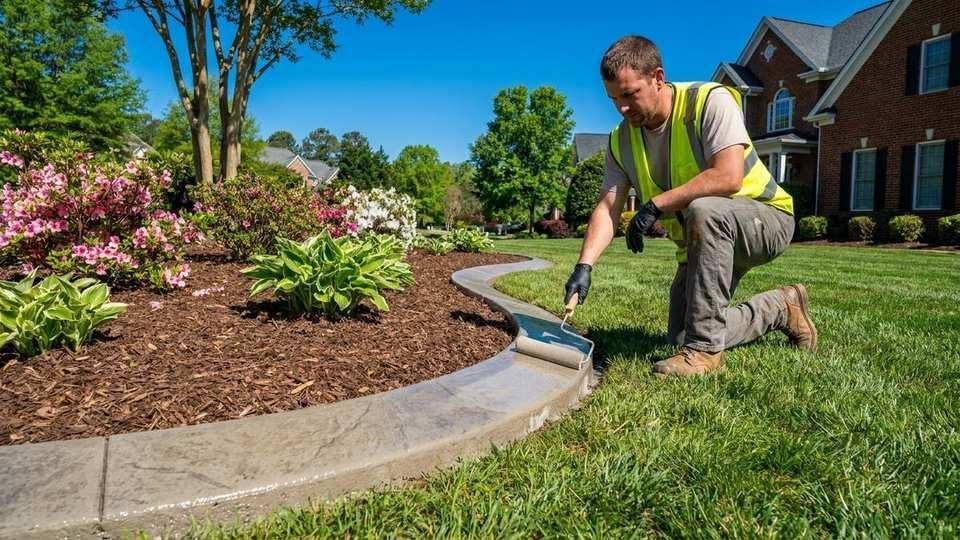
Everedge Curbing recommends resealing every two to three years for Charlotte-area homes. The best conditions for application are a clean, dry surface with air temperatures between 50°F and 80°F and no rain in the 24-hour forecast. In the Carolinas, that means late April through early June or mid-September through October.
Acrylic sealers are the most common choice for decorative curbing. They dry quickly, enhance color depth with a subtle sheen, and protect against UV and moisture. Penetrating sealers offer an alternative for homeowners who prefer a natural matte finish. They soak into the concrete rather than forming a film on top and typically last longer between applications. A foam roller or pump sprayer works well for most residential curbing runs.
How to Clean and Maintain Between Sealings
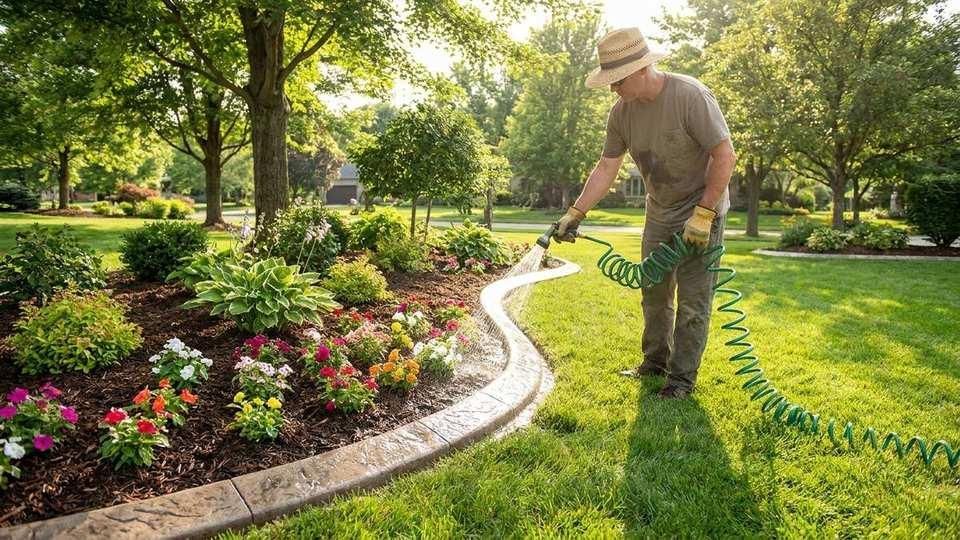
Regular cleaning extends the life of your sealer and keeps curbing sharp between resealing appointments. A few simple steps make the difference:
- Rinse curbing with a garden hose every few weeks to clear dirt, pollen, and leaf debris
- Scrub stubborn stains with a stiff-bristle brush and mild detergent
- Avoid pressure washers above 1,500 PSI, which can strip sealer or etch the concrete surface
- Inspect the curbing base twice a year for weed growth along the soil line and pull weeds before they root
The Piedmont's red clay soil tends to stain light-colored curbing faster than other soil types. A garden hose rinse after heavy rain prevents clay deposits from settling into the surface texture. If you notice the sealer wearing away in high-traffic areas or spots with standing water, those sections can be spot-resealed without redoing the entire run.
Frequently Asked Questions
Can I seal concrete curbing myself, or should I hire a professional?
You can apply sealer yourself if the curbing is clean, dry, and you use the right product for your color system. Acrylic sealers are the most forgiving for homeowner application. Professional resealing through Everedge Curbing follows the same sealing process used during the initial installation, ensuring the sealer matches the original product and goes on under controlled conditions. This reduces the risk of uneven coverage or product mismatch.
What happens if I skip sealing entirely?
Unsealed concrete curbing stays structurally sound but loses color vibrancy faster, especially in Charlotte's UV-heavy summers. The surface becomes more porous over time, absorbing moisture and stains more readily. Curbing installed with integral color won't peel since the pigment runs through the full concrete body, but the surface tone will look washed out without sealer protection.
Does sealing prevent concrete curbing from cracking?
Sealing protects against surface-level damage from UV, moisture, and freeze-thaw cycles, but crack prevention starts during professional installation through fiber reinforcement, proper concrete mixing, and strategic expansion joints. A well-installed curbing system paired with regular resealing is the strongest defense against surface wear and structural issues in Charlotte's clay soil.
Protect Your Curbing Before Summer
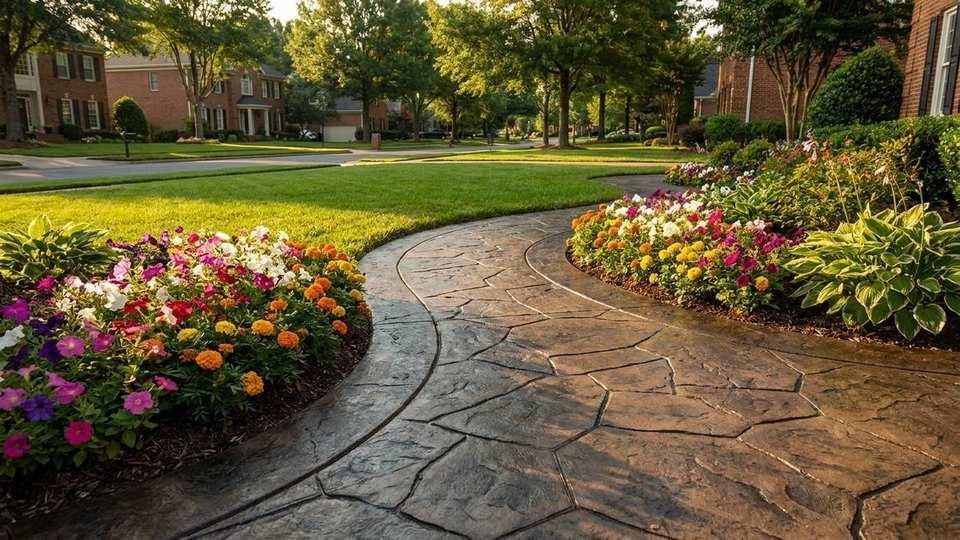
Sealing is the simplest maintenance step that makes the biggest difference in how long your curbing looks and performs. Clean it regularly, reseal every two to three years, and time your applications around Charlotte's spring and fall dry windows. A sealed curb holds its color, resists Carolina humidity, and stays sharp through years of summer storms and winter freezes.
For homeowners who prefer the job done right the first time, Everedge Curbing offers professional resealing as a natural extension of every installation. Contact Everedge Curbing at (704) 995-6939 for a free estimate or to schedule your next resealing appointment.